





The relationship between Moringa and cancer: Studies
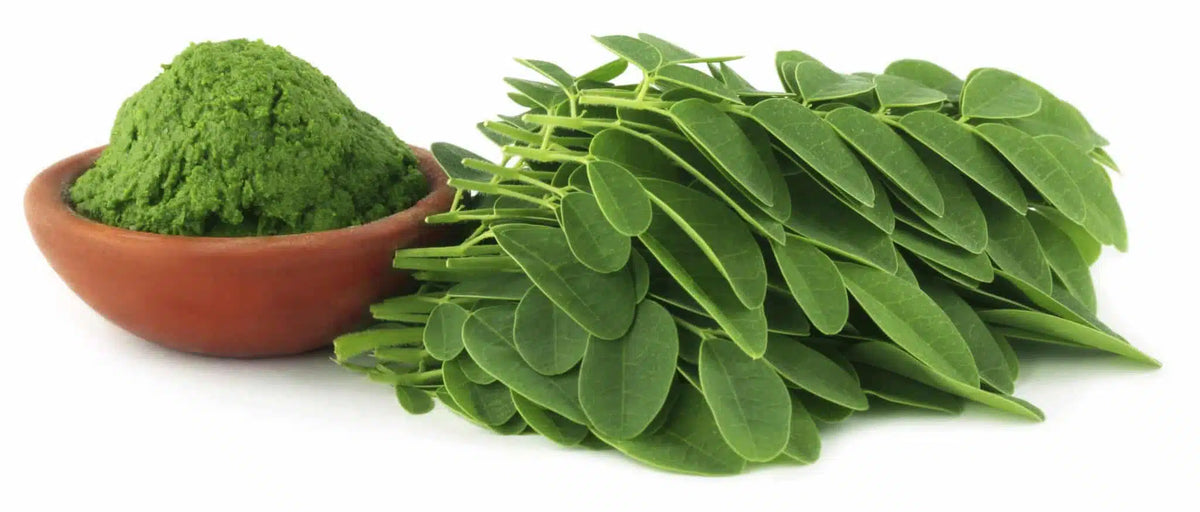
Moringa Oleifera and Cancer - A Promising Study from the University of Alabama
Moringa and the fight against cancer - Why it could help prevent cancer
The properties of the Moringa plant in the medical and pharmaceutical fields are already quite well known. In fact, active ingredients are extracted from it to treat various diseases such as diabetes, certain skin diseases, high blood pressure and various respiratory problems.
The studies on Moringa
The reason why this particular plant has come to the attention of the scientific community is due to the discovery of particularly active antitumor substances in it, which play an important role in the prevention and treatment of this disease.
Moringa can rightly be described as a "wonderful" plant because it contains an incredible concentration of health-promoting substances.
Their continued use can be an excellent way to maintain optimal functioning of many of our body's processes.
In fact, Moringa is a natural dietary supplement that is easy to incorporate into any diet as it contains nine essential amino acids, 27 vitamins, almost 50 different antioxidants and many minerals.
What makes moringa even more important and scientifically relevant is the fact that some studies focus on its anticarcinogenic properties due to its high content of isothiocyanates and glucosinolate metabolites.
This could make this plant crucial not only for cancer prevention, but especially for cancer treatment in combination with other therapies.
Moringa's ability to absorb free radicals
Let's take a closer look at why Moringa is considered a type of "superfood." It is enough to consider a few values to understand how continuous inclusion of moringa in the diet can prevent a large part of our diseases.
Dried moringa leaves contain on average, per 100 g, 26.8 g of protein, 2,560 mg of calcium, 1,460 mg of potassium and 26 mg of iron (FAO Feedipedia, 2019); these values refer to 100 g of dried leaf, not to the daily serving of a supplement.
Moringa is one of the highest antioxidant foods in the world
Based on the ORAC (Oxygen Radicals Absorbance Capacity) test, which measures the "ability to absorb oxygen free radicals per unit of a single food," Moringa boasts an impressive 157,600 points per 100 grams of product.
It is important to know that around 5000 ORAC units per day are recommended for a healthy diet.
Thanks to the presence of all these valuable elements, Moringa is therefore particularly important when the diet is low in vital substances for the body.
The presence of benzyl isothiocyanate also makes it a suitable adjunct in chemotherapy treatments as it increases the resistance of healthy cells subjected to such invasive treatments.
Moringa and benzyl isothiocyanate to support chemotherapy treatments
The high concentration of various substances such as minerals (including potassium and magnesium), proteins, calcium, iron and vitamins, which we have already talked about before, help make the body stronger to cope with various challenges, including the fight against Cancer and its possible consequences and side effects during therapy.
Moringa - A study from the University of Alabama shows that moringa contains cancer-fighting agents
Particularly interesting regarding the cancer-fighting properties of moringa is the study conducted by Shama Ahmad of the University of Alabama at Birmingham and published on the website Plos One, which focuses on the online dissemination of scientific research.
- You can find the full publication in English here.
To check the possible interaction of moringa on tumor growth, some parts of the plant were considered, namely leaves, seeds and bark, which came from plants from Saudi Arabia, where moringa is usually grown.
Please note that this is an automatic translation and some nuances may be lost.
Studies on breast and colon cancer
Specifically, studies have been conducted on breast and colon cancer among the population in Saudi Arabia, where in recent years the incidence of these diseases, especially in young women (breast cancer), has increased exponentially.
According to current statistics, colon cancer is the most dangerous cancer in the world with a high mortality rate.
Cancer cells have the property of multiplying much faster than normal cells and spreading to other parts of the body different from where the tumor originated. They look for food and a favorable substrate for their further growth, which is called metastasis.
A main goal of scientists is therefore to find treatments that can kill cancer cells with minimal impact on the human body and its health.
Moringa and the effects on phenotypic mutation
In this case, Moringa was used to analyze the effects on possible phenotypic mutations, survival and biological cycle of cancer cells.
The use of natural products from plants is not a new practice in the production of antitumor drugs, as many common substances have proven to be extremely effective in fighting cancers and can significantly reduce the risks associated with possible side effects.
Lycopene and turmeric
This applies, for example, to lycopene and curcumin, the former being found in tomatoes and their derivatives and the latter being extracted from turmeric.
Both substances are now widely recognized for their powerful antioxidant properties, their role in the treatment of cardiovascular disease, and their ability to inhibit the growth of cancer cells.
The study, conducted by the University of Alabama, aims to evaluate moringa's antitumor potential in breast and colorectal cancer. This is a novelty, as such research on Moringa has never been carried out directly on diseased cells.
During the experiments, in particular, extracts from the leaves and bark of Moringa were examined in more detail, since the analysis of the data obtained suggests that the seeds do not play a role in this antitumor effect.
The precise details of the Moringa studies conducted would require further information not included in the present text.
The parts of the moringa plant used for research purposes were all collected in the city of Tabuk in Saudi Arabia, where this plant is grown abundantly and is not an endangered species. This is an important aspect that makes them suitable for use in the laboratory.
The analyzes were carried out at the Prince Sultan Military Medical in Riyadh city on samples of leaves, bark and seeds. These samples were first dried and then crushed separately.
- The extraction of the essential components was carried out under aseptic conditions in ethanol. They were then filtered and evaporated to remove the remaining solvent to obtain a compact mass.
- This step turns out to be crucial for identifying the substances present in the plant, which is one of the main objectives of the study.
- The analyzes carried out using gas chromatography and mass spectrometry (GC-MS) have indeed found many antitumor components in the bark and leaves, while they are almost completely absent in the seeds.
- These substances, particularly a phenolic compound called eugenol, inhibit the proliferation of diseased cells by affecting their signaling.
Other scientific research has attributed antitumor effects to eugenol against certain diseases such as melanoma, leukemia, gastric cancer, skin tumors and prostate cancer.
In addition, another compound found mainly in the leaves of moringa (D-allose, a very rare monosaccharide) is believed to stop the cell cycle in the early phase only in the cancer cells and not in the normal cells, similar to it Palmitic acid does, which is found in all parts of the plant.
These bioactive compounds have potent antitumor properties
Le analisi condotte hanno dimostrato the effective presence of composti naturali bioattivi with high poteri antitumorali, come dimostrato also the precedenti studi condotti su altre piante. The scope of these experiments has confermato una ridotta sopravvivenza the cellule tumorali when sono esposte agli estratti delle foglie e del fusto della Moringa.
Questi estratti inibiscono the activity of specific proteins responsible for the functionality and proliferation of the tumor cells. Inoltre have also been found to reduce cancer cell mobility, particularly in the primary study subjects, namely breast and colon cancer.
The results of this research at the University of Alabama appear to be consistent with other studies on the effects of moringa leaves and bark. According to these studies, the substances it contains would inhibit both cell mobility and the formation of new proliferation colonies in breast and colon cancer.
This of course opens up further research opportunities and in-depth investigations, particularly in relation to a more precise analysis of the molecular composition of moringa and the complex mechanisms that impact tumor spread.
It is evident that the therapeutic use of this plant can be a valuable tool in supporting conventional therapies in the treatment of aggressive cancers.
Significant research progress is being made in identifying substances that can effectively combat the development and proliferation of tumors.
Of course, this should never be done at the expense of the general health of the cancer patient by exclusively using invasive therapies that destabilize the entire organism.
The importance of a healthy lifestyle to prevent disease is also emphasized here.
The efforts of the scientific community are now focused in this direction.
For our part, we know that a healthy lifestyle combined with a good and balanced diet can help significantly combat the occurrence of many diseases, including cancer.
This awareness, which was not present a few years ago, obliges us to be much more responsible towards our health and forces us to change our daily lifestyle habits.
In this context, the possibility of obtaining information that, due to its greater dissemination, can often help find solutions to many problems also helps us.
In this case, for example, we have discovered, albeit much later than populations that have been using it regularly for a long time, the extraordinary properties of this plant, namely moringa, which, as a natural supplement, should be an integral part of our daily diet.