





Natural Sleep Aids: What Are They and How Do They Work?
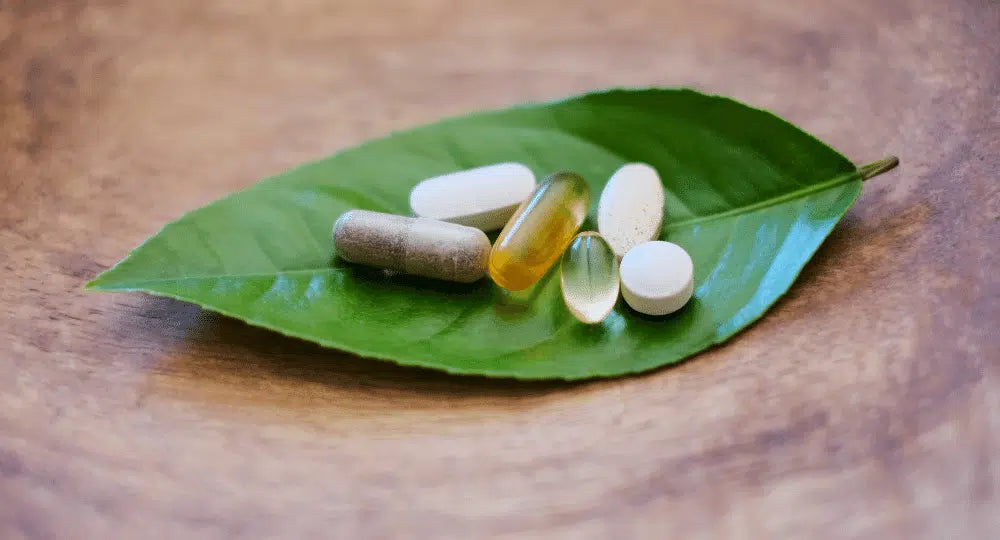
The natural sleep aids can be viewed as a concrete alternative to classic sleeping pills prescribed by the doctor, such as benzodiazepines.
Let's learn more about some natural sleep aids and their unwanted effects.
- Difference between sleeping pills and sleep supplements
- Melatonin as a natural sleep aid – useful information
- Why valerian works
- chamomile
- Kava
- Tryptophan
- 5-Hydroxytryptophan
- Passionflower
- Warnings
The difference between medications and sleep supplements can be significant
Sometimes prescription sleep aids prescribed by doctors use natural extracts as active ingredients, such as passionflower, hops, valerian, lemon balm and chamomile, natural substances with sleep-inducing effects.
For this reason, science has investigated the use of these substances in dietary supplements.
These may be considered “natural sleep aids,” even though they are regulated by the FDA (Food and Drug Administration) as natural dietary supplements and are considered foods.
The main disadvantages of sleeping pills include the possibility of dependence and addiction, as well as very serious side effects, including hallucinations, headaches, retrograde amnesia, nightmares and aggressiveness.
Although they are not free from contraindications, "natural sleep aids" can help induce drowsiness without a doctor's prescription.
In any case, the advice of a doctor should always remain important, especially if you are taking sedatives or other medications, also because of possible negative interactions.
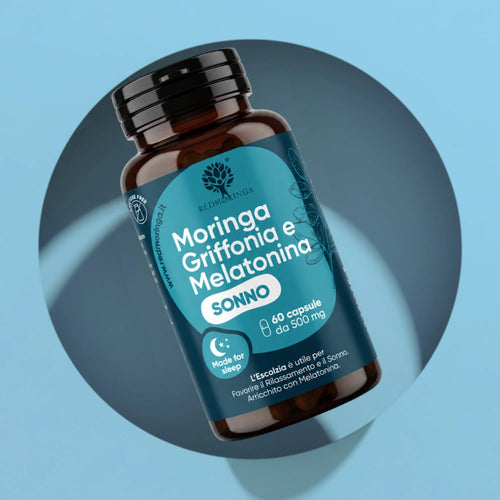
One of the best known of these natural substances that can promote sleep is melatonin, a hormone that occurs naturally in our body and in some foods and can be taken with special supplements in case of deficiency or in stressful situations.
Melatonin as a natural sleep aid: What you should know
Produced by the pineal gland in the center of the brain, melatonin regulates the sleep-wake cycle of all living things, both animal and plant (in plants it is called phyto-melatonin), including humans.
Buy sleeping pills now
It activates in the dark and decreases as daylight increases, so it is essential to regulate our sleep cycle.
Melatonin levels in the blood are usually higher when we go to sleep at night.
A lack of melatonin can cause insomnia and related disorders. Scientific studies confirm that melatonin shortens the time it takes to fall asleep, increases sleepiness and increases sleep duration.
In healthy people, it has been used successfully to improve sleep, reduce the effects of jet lag due to long-haul flights with significant time differences, and other studies are exploring the possibility that it might be helpful for depression.
It is a safe physiological natural remedy (that is, it contributes to the normal functioning of the body), especially when taken for short periods of time, within three months or less.
Excessive use could cause drowsiness or depression in some people.
For this reason, it is important not to exceed expert-recommended dosages that are effective for most people to avoid dependence or other unwanted side effects.
The maximum intake is currently 1 mg according to Regulation (EU) 432/2012, which allows two types of statements:
-"Helps alleviate the effects of jet lag", with the consumer being informed on the label that the positive effect can be achieved by taking at least 0.5 mg of the substance just before bedtime on the first day of travel and for a few days after achieved upon arrival at the destination.
-"Contributes to reducing the time required to fall asleep", with the label informing the consumer that the beneficial effect is achieved by taking 1 mg of the substance shortly before bedtime.
Valerian, why it works
Valerian root (Valeriana officinalis) is one of the most important dietary supplements for dealing with anxiety and insomnia and is included in the official Italian list of medicines.
The synergistic herbs with which it achieves positive results include eschscholzia, lavender and lemon balm.
Valerian dry extract is considered by scientific research to be the most effective for promoting sleepiness and relaxation.
The researchers' confirmations focus on reducing the time it takes to fall asleep and improving sleep quality.
Unlike benzodiazepines, the majority of people who have taken valerian do not experience typical morning grogginess.
The most effective results from taking this natural sleep aid involve longer periods of time (over four weeks) rather than a single night.
Typically, valerian is well tolerated when taken for one month to six weeks. However, the sleepy effects of this plant can cause dizziness, daytime sleepiness and problems with concentration, especially when consumed together with alcohol and sedatives or for too long a period of time.
There are no reports of dependence on valerian, although stimulant effects have been noted in some individuals.
Interactions and intolerances have been identified with liver-toxic substances, benzodiazepines and barbiturate drugs.
chamomile
Since childhood, chamomile tea has often been associated with good sleep and rest.
In fact, it is a popular remedy that has been used for centuries and it also has antibacterial and anti-inflammatory properties.
Aside from its calming effects, the effectiveness of chamomile as a treatment for insomnia has not been confirmed by sufficient studies.
Kava
It is a herbal remedy used to relieve stress, anxiety and insomnia.
It is said to induce relaxation without impairing motor function and memory, but results are currently mixed.
Today it is considered a dangerous remedy in Europe, following some cases of cirrhosis, hepatitis and liver failure that point to possible liver toxicity.
Triptofano
A precursor* in the synthesis of serotonin in the brain (also known as the "feel-good hormone"), tryptophan is an amino acid found in various foods and extracted or synthesized as a supplement.
It is a biochemical substance essential for the formation of the more stable serotonin. Sleep studies from the 1960s to the early 1970s indicated that serotonin, as a neurotransmitter, plays an active role in inducing sleep.
Later animal studies showed that degeneration of brain areas containing serotonin-producing nerve cells induced total insomnia, while partial damage caused variable decreases in sleep.
Tryptophan is found in milk. In fact, warm milk drunk before bedtime by some adults and children is said to help them feel sleepier.
This amino acid has become much sought after for the treatment of insomnia, although taking it as a supplement has caused rather serious side effects in some people, such as eosinophilia-myalgia and even death.
In addition, again in supplement form, it has not always helped with sleep.
For this reason, experts suggest getting tryptophan through food: it is found in nuts, eggs, milk, turkey, cheese and beans.
5-idrossitriptofano
It is a precursor of serotonin used to increase serotonin levels in the body and is derived from the amino acid tryptophan.
5-Hydroxytryptophan is also a precursor to melatonin, the hormone that regulates the sleep-wake cycle.
While some studies support its usefulness in relieving depression and anxiety, other research shows no benefit from taking 5-hydroxytryptophan, and there is not enough evidence to recommend it as an aid for insomnia.
It is used for appetite control (especially cravings) and pain relief.
Side effects are similar to those of taking tryptophan supplements: heartburn, belching and abdominal pain, nausea and vomiting, diarrhea, loss of appetite, headache, dizziness, drowsiness, dry mouth, blurred vision, muscle weakness and sexual problems*
Passiflora
It is also used to treat insomnia and nerve-related gastrointestinal disorders, as well as to treat generalized anxiety disorder and to relieve withdrawal symptoms in drug detoxification.
As an herbal remedy, it is useful for relieving muscle spasms and promoting sleep.
It is considered safe to take within the recommended dosages, but overdose can cause various side effects (nausea, dizziness, confusion, etc.).
If you are taking high blood pressure medication and other sedatives, you should consult your doctor before taking them.
Warnings
Taking “natural sleeping pills” can also have undesirable effects, similar to medications.
Therefore, it is important to evaluate both proper dosage and use and associated risks in conjunction with other medications or supplements and health conditions.
*Benzodiazepines are a class of psychotropic drugs with a chemical structure consisting of the fusion of a benzene ring and a diazine ring.
Due to their sedative, hypnotic, anesthetic and anticonvulsant effects (e.g. Valium), they are prescribed short-term to avoid overdose states in cases of severe anxiety. Adverse effects include insomnia, cognitive impairment, unconsciousness and paradoxical behavior such as excessive aggressiveness or disinhibition.
*Precursor: A molecule that is used in a chemical reaction to synthesize another molecule. (BiologiaWiki.it).
References:
- https://it.wikipedia.org/wiki/Benzodiazepine
- https://www.fcr.re.it/ministero-della-salute–rivalutazione-degli-apporti-ammessi-di-melatonina-negli-integratori-aliment
- https://erbeofficinali.org/dati/q_scheda_res.php?nv_erba=VALERIANA%20OFFICINALE
- Font: https://www.humanitas.it/enciclopedia/integratori-alimentari/triptofano/
- https://www.webmd.com/women/natural-sleep-remedies
- materdomini.it/enciclopedia/principi-attivi/passiflora/